What are the Manufacturing Processes of the Latest Thick Film Resistors?

I. Introduction
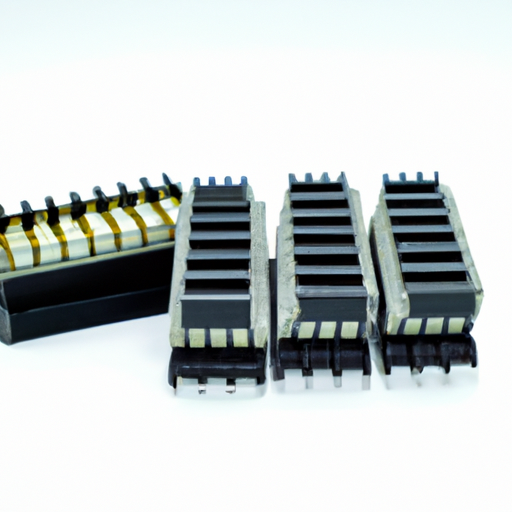
Thick film resistors are essential components in modern electronics, providing reliable resistance values in a compact form factor. These resistors are characterized by a thick layer of resistive material printed onto a substrate, making them suitable for a wide range of applications, from consumer electronics to industrial machinery. As technology advances, the manufacturing processes for thick film resistors have evolved, incorporating new materials and techniques to enhance performance and reliability. This blog post will explore the manufacturing processes of the latest thick film resistors, delving into their historical context, materials used, production methods, quality control measures, and future trends.
II. Historical Context
The technology behind thick film resistors has undergone significant evolution since its inception in the 1960s. Initially, these resistors were primarily used in military and aerospace applications due to their robustness and reliability. Over the years, as the demand for miniaturization and efficiency in electronic devices grew, thick film resistors found their way into consumer electronics, automotive systems, and telecommunications.
When compared to other resistor technologies, such as thin film and wirewound resistors, thick film resistors offer a unique combination of advantages. Thin film resistors provide higher precision and stability but are often more expensive and less robust. Wirewound resistors, while capable of handling higher power levels, are bulkier and less suitable for surface-mount applications. Current trends in thick film resistor manufacturing focus on improving performance, reducing costs, and enhancing environmental sustainability.
III. Materials Used in Thick Film Resistors
A. Substrates
The substrate is a critical component of thick film resistors, providing the foundation upon which the resistive material is applied. Common substrate materials include alumina (Al2O3) and glass, both of which offer excellent thermal and electrical properties. Alumina is favored for its high thermal conductivity and mechanical strength, while glass substrates are often used for their low cost and good dielectric properties. The choice of substrate significantly impacts the performance and reliability of the resistor, influencing factors such as thermal stability and resistance to environmental stress.
B. Conductive Pastes
Conductive pastes are the heart of thick film resistors, consisting of a mixture of conductive materials and binders. The composition of these pastes typically includes metals such as silver, copper, or a combination of both. Silver pastes are known for their excellent conductivity and stability, making them a popular choice for high-performance applications. Copper pastes, while less expensive, can be prone to oxidation, which may affect long-term reliability. The selection of conductive materials is crucial, as it directly influences the resistor's performance characteristics, including temperature coefficient and stability.
C. Dielectric Materials
Dielectric materials play a vital role in thick film resistors, providing insulation and contributing to the overall performance of the device. The dielectric properties of these materials are essential for maintaining the integrity of the resistor under varying environmental conditions. Common dielectric materials used in thick film resistors include glass and ceramic compounds, which offer excellent electrical insulation and thermal stability. The choice of dielectric material can affect the resistor's performance, particularly in high-frequency applications.
IV. Manufacturing Processes
A. Screen Printing
The manufacturing process for thick film resistors begins with screen printing, a technique that allows for the precise application of conductive pastes onto the substrate. In this process, a stencil is used to create a pattern on the substrate, and the conductive paste is pushed through the stencil openings to form the desired resistive layer. Screen printing offers several advantages, including high throughput, cost-effectiveness, and the ability to produce complex patterns. However, it also has limitations, such as potential variations in layer thickness and alignment issues.
B. Firing Process
Once the conductive paste is applied, the next step is the firing process. Firing serves to cure the paste, bonding it to the substrate and enhancing its electrical properties. This process typically occurs in a controlled atmosphere furnace, where the temperature and atmosphere are carefully regulated. The firing temperature can range from 600°C to 900°C, depending on the materials used. Proper control of the firing process is crucial, as it affects the adhesion, conductivity, and overall performance of the thick film resistor.
C. Laser Trimming
To achieve precise resistance values, manufacturers often employ laser trimming techniques. This process involves using a laser to selectively remove material from the resistive layer, fine-tuning the resistance to meet specific requirements. Laser trimming offers several benefits, including high precision, minimal thermal impact, and the ability to adjust resistance values post-production. This technique is particularly valuable in applications where tight tolerances are essential.
D. Coating and Encapsulation
The final step in the manufacturing process is coating and encapsulation. Protective coatings are applied to enhance the durability and reliability of thick film resistors, shielding them from environmental factors such as moisture, dust, and mechanical stress. Various types of coatings are used, including epoxy, silicone, and polyurethane, each offering different levels of protection and thermal stability. Encapsulation not only improves the longevity of the resistors but also contributes to their overall performance in demanding applications.
V. Quality Control and Testing
Quality control is a critical aspect of thick film resistor manufacturing, ensuring that each component meets stringent performance standards. Various testing methods are employed to assess the electrical and environmental characteristics of the resistors. Electrical testing typically includes measurements of resistance, temperature coefficient, and power rating, while environmental testing evaluates the resistor's performance under conditions such as humidity, temperature cycling, and mechanical stress.
Manufacturers adhere to industry standards and certifications to guarantee the quality and reliability of their products. Compliance with standards such as ISO 9001 and IPC-A-610 ensures that thick film resistors meet the necessary performance criteria for various applications.
VI. Innovations and Future Trends
The manufacturing processes for thick film resistors are continually evolving, driven by advances in material science and technology. Innovations in conductive pastes, such as the development of nanomaterials, are enhancing the performance and reliability of thick film resistors. Additionally, the integration of automation and Industry 4.0 principles in manufacturing processes is improving efficiency and reducing production costs.
Sustainability is also becoming a key focus in the manufacturing of thick film resistors. Manufacturers are exploring eco-friendly materials and processes to minimize environmental impact, aligning with global efforts to promote sustainability in electronics.
Looking ahead, thick film resistors are expected to play a crucial role in emerging technologies, including electric vehicles, renewable energy systems, and advanced telecommunications. As the demand for high-performance, reliable components continues to grow, the manufacturing processes for thick film resistors will likely adapt to meet these evolving needs.
VII. Conclusion
In summary, thick film resistors are vital components in modern electronics, and their manufacturing processes have evolved significantly over the years. From the selection of materials to the application of advanced manufacturing techniques, each step in the production of thick film resistors contributes to their performance and reliability. As technology continues to advance, the future of thick film resistors looks promising, with innovations in materials, automation, and sustainability paving the way for new applications and improved performance.
VIII. References
- Academic Journals
- Industry Reports
- Manufacturer Specifications and Guidelines
This comprehensive overview of the manufacturing processes of thick film resistors highlights their importance in the electronics industry and the ongoing innovations that will shape their future.