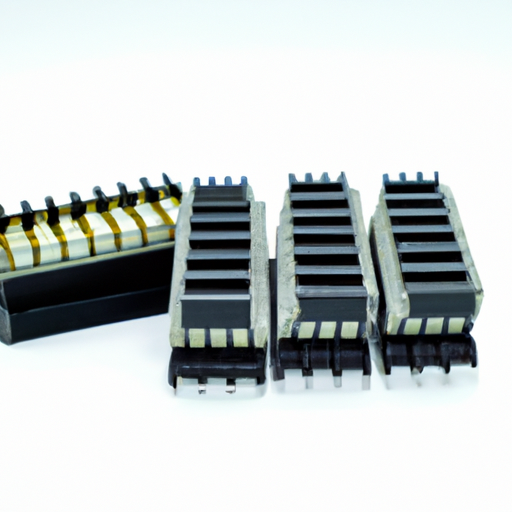
Mainstream Precision Resistor Product Series Parameters
I. Introduction
A. Definition of Precision Resistors
Precision resistors are components designed to provide accurate and stable resistance values in electronic circuits. Unlike standard resistors, which may have a tolerance of ±5% or more, precision resistors typically offer tolerances of ±0.1% or better. This high level of accuracy is crucial in applications where even minor deviations can lead to significant errors in performance.
B. Importance of Precision Resistors in Electronic Applications
In the world of electronics, precision is paramount. Whether in medical devices, aerospace systems, or telecommunications, the reliability and accuracy of measurements can be the difference between success and failure. Precision resistors play a vital role in ensuring that circuits function as intended, providing stable reference points for voltage and current measurements.
C. Overview of the Document's Purpose
This document aims to provide a comprehensive overview of mainstream precision resistor product series parameters. It will explore the different types of precision resistors, their key parameters, applications, selection criteria, and future trends in technology.
II. Types of Precision Resistors
A. Thin Film Resistors
1. Construction and Materials
Thin film resistors are made by depositing a thin layer of resistive material onto a substrate. Common materials include nickel-chromium and tantalum nitride. The thin film is then patterned to create the desired resistance value.
2. Key Characteristics
Thin film resistors are known for their high accuracy, low temperature coefficient, and excellent stability. They typically have tolerances as low as ±0.01% and temperature coefficients of resistance (TCR) as low as ±5 ppm/°C.
3. Applications
These resistors are widely used in precision measurement applications, such as in instrumentation, medical devices, and high-end audio equipment.
B. Thick Film Resistors
1. Construction and Materials
Thick film resistors are constructed by printing a thick layer of resistive paste onto a ceramic substrate. The paste is typically made from a mixture of metal oxides.
2. Key Characteristics
While thick film resistors are generally less accurate than thin film resistors, they offer good stability and are more cost-effective. Tolerances typically range from ±1% to ±5%, with TCR values around ±100 ppm/°C.
3. Applications
Thick film resistors are commonly used in consumer electronics, automotive applications, and power supplies.
C. Wirewound Resistors
1. Construction and Materials
Wirewound resistors are made by winding a metal wire, usually made of nickel-chromium or copper-nickel, around a ceramic or fiberglass core. The resistance value is determined by the wire's length, diameter, and material.
2. Key Characteristics
Wirewound resistors are known for their high power ratings and excellent stability. They can achieve tolerances as low as ±0.1% and have a TCR of around ±10 ppm/°C.
3. Applications
These resistors are often used in high-power applications, such as power amplifiers, motor controls, and industrial equipment.
D. Foil Resistors
1. Construction and Materials
Foil resistors are made from a thin foil of resistive material, typically a metal alloy, which is etched to create the desired resistance value.
2. Key Characteristics
Foil resistors offer exceptional accuracy, with tolerances as low as ±0.005% and TCR values as low as ±1 ppm/°C. They are also highly stable over time and temperature.
3. Applications
Due to their high precision, foil resistors are used in applications requiring the utmost accuracy, such as precision measurement instruments and high-end audio equipment.
III. Key Parameters of Precision Resistors
A. Resistance Value
1. Definition and Measurement
The resistance value is the primary characteristic of a resistor, measured in ohms (Ω). It determines how much current will flow through the resistor when a voltage is applied.
2. Tolerance Levels
Tolerance indicates how much the actual resistance can vary from the specified value. Precision resistors typically have tighter tolerances, ensuring more reliable performance in critical applications.
B. Temperature Coefficient of Resistance (TCR)
1. Definition and Importance
TCR measures how much a resistor's resistance changes with temperature, expressed in parts per million per degree Celsius (ppm/°C). A lower TCR indicates better performance in varying temperature conditions.
2. Typical Values for Different Types
- Thin Film: ±5 ppm/°C
- Thick Film: ±100 ppm/°C
- Wirewound: ±10 ppm/°C
- Foil: ±1 ppm/°C
C. Power Rating
1. Definition and Measurement
Power rating indicates the maximum power a resistor can dissipate without overheating, measured in watts (W). Exceeding this rating can lead to failure.
2. Impact on Performance
Choosing a resistor with an appropriate power rating is crucial for ensuring reliability and longevity in applications.
D. Voltage Rating
1. Definition and Measurement
Voltage rating is the maximum voltage a resistor can handle without breaking down, measured in volts (V).
2. Importance in Circuit Design
Selecting a resistor with an adequate voltage rating is essential to prevent damage and ensure circuit functionality.
E. Noise Characteristics
1. Definition and Measurement
Noise in resistors refers to the random fluctuations in voltage that can affect signal integrity. It is typically measured in microvolts (µV).
2. Impact on Signal Integrity
Low-noise resistors are critical in precision applications, such as audio and measurement systems, where signal clarity is paramount.
F. Stability and Reliability
1. Definition and Importance
Stability refers to a resistor's ability to maintain its resistance value over time and under varying environmental conditions.
2. Factors Affecting Stability
Factors such as temperature, humidity, and mechanical stress can impact a resistor's stability, making it essential to choose high-quality components for critical applications.
IV. Applications of Precision Resistors
A. Medical Devices
Precision resistors are crucial in medical devices, where accurate measurements can impact patient safety and treatment efficacy.
B. Aerospace and Defense
In aerospace and defense applications, precision resistors ensure reliable performance in harsh environments, where failure is not an option.
C. Telecommunications
Telecommunications equipment relies on precision resistors for accurate signal processing and transmission, ensuring clear communication.
D. Automotive Electronics
Modern vehicles are equipped with numerous electronic systems that require precision resistors for accurate sensor readings and control functions.
E. Industrial Automation
In industrial automation, precision resistors are used in control systems and instrumentation, ensuring efficient and reliable operation.
V. Selection Criteria for Precision Resistors
A. Application Requirements
Understanding the specific requirements of the application is crucial for selecting the right precision resistor.
B. Environmental Considerations
Factors such as temperature, humidity, and exposure to chemicals should be considered when choosing resistors for specific environments.
C. Cost vs. Performance Trade-offs
While precision resistors can be more expensive, the cost must be weighed against the performance benefits they provide in critical applications.
D. Manufacturer Reputation and Support
Choosing a reputable manufacturer ensures access to quality products and reliable customer support.
VI. Future Trends in Precision Resistor Technology
A. Advancements in Materials and Manufacturing
Ongoing research into new materials and manufacturing techniques is expected to enhance the performance and reliability of precision resistors.
B. Miniaturization and Integration
As electronic devices become smaller, the demand for miniaturized precision resistors that can be integrated into compact designs is increasing.
C. Smart Resistors and IoT Applications
The rise of the Internet of Things (IoT) is driving the development of smart resistors that can provide real-time data and diagnostics.
VII. Conclusion
A. Summary of Key Points
Precision resistors are essential components in modern electronics, offering high accuracy and stability across various applications. Understanding the different types, key parameters, and selection criteria is crucial for engineers and designers.
B. Importance of Choosing the Right Precision Resistor
Selecting the appropriate precision resistor can significantly impact the performance and reliability of electronic systems, making it a critical decision in the design process.
C. Final Thoughts on the Future of Precision Resistors
As technology continues to evolve, precision resistors will play an increasingly important role in advancing electronic applications, ensuring accuracy and reliability in an ever-changing landscape.
VIII. References
A. Academic Journals
- IEEE Transactions on Instrumentation and Measurement
- Journal of Electronic Materials
B. Industry Standards
- IEC 60115: Fixed Resistors for Use in Electronic Equipment
- EIA-198: Standard for Resistor Networks
C. Manufacturer Specifications and Datasheets
- Vishay Precision Group
- Yageo Corporation
This blog post provides a detailed overview of mainstream precision resistor product series parameters, highlighting their significance in various applications and the factors to consider when selecting these critical components.